
 By David Robinson
We've worked with engineering and manufacturing companies since 2003. In that time, we've inherited SEO campaigns from dozens of agencies, and the pattern is always the same: the previous agency treated the engineering company like it was a restaurant chain or an estate agent. Generic keyword research. Generic content. Generic results.
So the engineering company decides SEO "doesn't work for our industry." But that's not what happened. What happened is a generalist agency applied a generalist playbook to a specialist business.
If you run or market an engineering or manufacturing company and you've been burned by SEO before, some of this will sound painfully familiar.
The Keyword Research Problem
It starts going wrong at keyword research, because that's where most agencies reveal they don't understand your market.
Standard SEO keyword research works like this: open a tool like SEMrush or Ahrefs, type in some seed terms, sort by monthly search volume, and build a strategy around the words that get searched the most. That process works well for consumer businesses. For engineering companies, it's a recipe for wasted money.

Engineering search terms behave differently. A procurement manager at a petrochemical plant searching for "BISEP line isolation" won't show up in any keyword research tool as a term worth targeting. It might show zero monthly searches. But that single search could lead to a six-figure contract. We know this because we've run PPC campaigns in exactly this space, and the "zero volume" keywords generated enquiries worth more than every high-volume term combined.
A generalist agency, faced with a keyword showing zero volume, will skip it. They'll steer you towards terms like "pipeline services" or "industrial solutions" because those show volume. But those terms attract everyone from plumbers to PhD students. The search intent is completely wrong.
Our approach is different. We pull apart the client's Google Search Console data to see what they're already appearing for. Companies are routinely surprised by this — you're ranking for terms you didn't know existed, getting impressions from searches you never targeted, sitting on data that tells you exactly what your buyers are typing into Google. Most agencies never look at it.
PPC data is useful here too. Running a small Google Ads campaign on a set of suspected keywords for a few weeks tells you which terms attract real buyers and which attract time-wasters. It costs money upfront but saves a fortune in wasted SEO effort over the following twelve months.
The Content Problem
This one makes engineers furious. Understandably.
A generalist agency will produce "content" for an engineering company that reads like it was written by someone who Googled the topic for twenty minutes. Because that's exactly what happened. They'll write a 1,200-word blog post about "the benefits of heat exchangers" that contains nothing a qualified engineer doesn't already know, packed with phrases like "thermal management solutions" that no real buyer would ever type or say.
Google has got much better at identifying this kind of content. Their E-E-A-T framework (Experience, Expertise, Authoritativeness, Trustworthiness) rewards content written by people who know what they're talking about. For engineering companies, that's actually good news. Your in-house knowledge is worth more than any amount of slick marketing copy. The bar for AI-generated filler is getting higher every month, and content that shows first-hand engineering knowledge is what both Google and your buyers want to see.
The agencies that get this right can have a technical conversation with your engineers and turn it into content that works for search engines and human readers. If your SEO agency needs every concept explained from scratch, their content will read like an A-level textbook. Your buyers will see through it straight away, and Google is catching up.
Our team comes from a technical background. When a client talks about hot tapping procedures, CNC machining tolerances, or compact fin heat exchanger design, we can follow the conversation without a babysitter. That's the difference between content that ranks and content that embarrasses you.
The "Wrong Traffic" Problem
Probably the most expensive mistake generalist agencies make with engineering companies. And the hardest to spot, because the reports look great.
Traffic goes up. Rankings improve. The monthly report is full of green arrows and positive percentages. But the phone doesn't ring, or when it does, it's the wrong people calling.
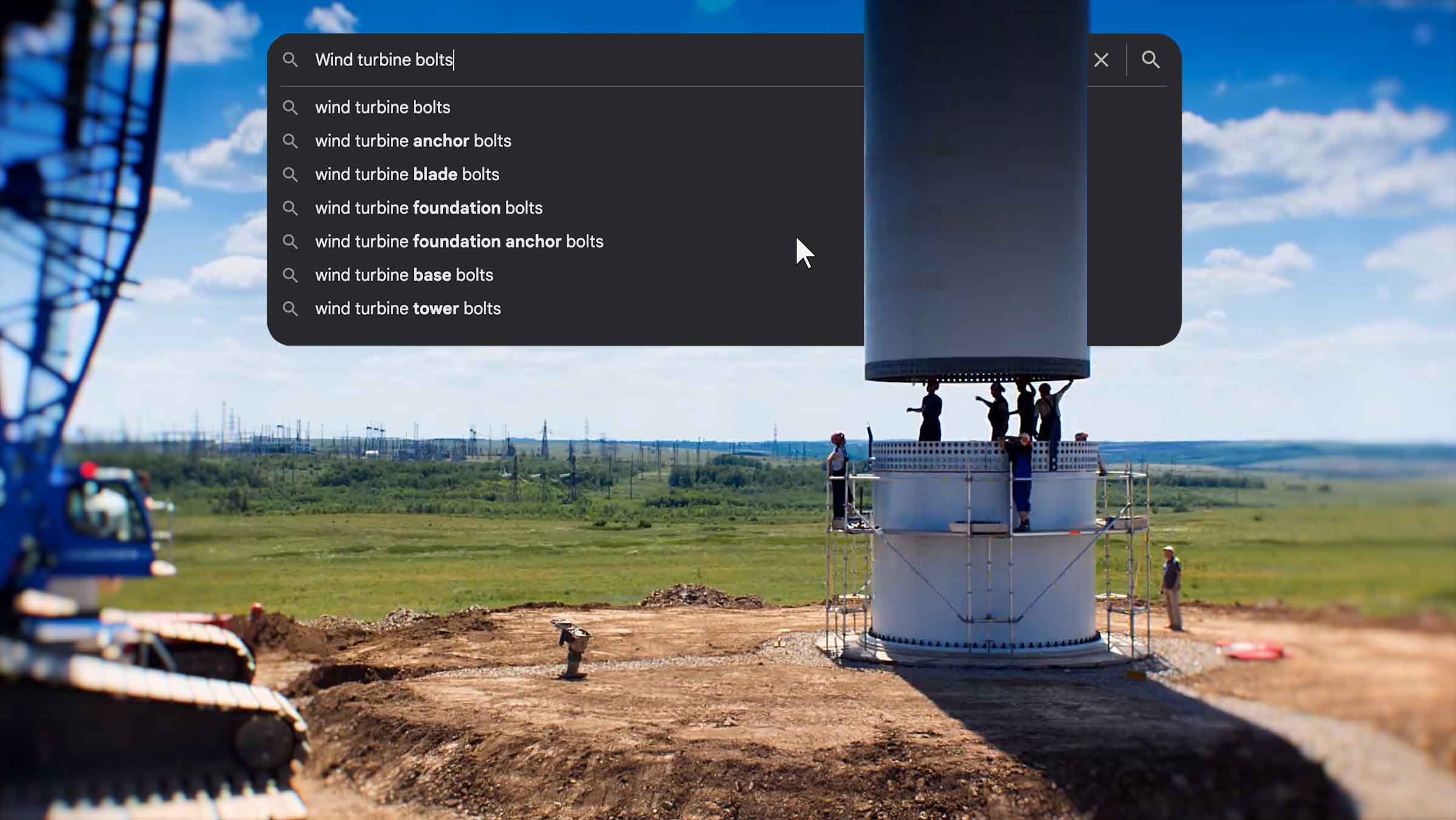
It happens all the time. An engineering company comes to us after a year with another agency, frustrated that their website traffic doubled but their enquiries didn't move. When you dig into the data, the picture is always the same: the agency ranked them for terms that attract the wrong audience. High-volume, low-intent keywords that bring in students doing research projects, small contractors looking for equipment hire, or people in completely different industries.
One client's Google Ads campaign for specialist pipeline services was attracting enquiries from domestic plumbers, equipment rental companies, and people looking for pressure testing on residential boilers. The keywords looked right on paper but the search intent was completely wrong. After restructuring around the specific terms that actual pipeline operators and offshore project engineers use, the enquiry quality changed overnight. Fewer clicks, but the ones that came through were worth pursuing.
In engineering SEO, traffic volume is a vanity metric. What matters is whether the people visiting your site are the people who buy what you sell. Any agency that celebrates traffic growth without talking about enquiry quality is hiding behind numbers that don't matter to your business.
The Technical Website Problem
Most engineering companies have websites that are technically broken in ways that would shock their owners. Sites where thousands of product pages can't be crawled by Google because of how the CMS was configured. Sites where every product page shares the same title tag. One client had their entire technical resources section blocked by a misconfigured robots.txt file for three years. Nobody noticed.
These aren't cosmetic issues. If Google can't crawl your pages, they don't exist as far as search is concerned. If your title tags are all identical, Google has no way to understand what each page is about. If your technical PDFs and datasheets are hidden behind a login or blocked from indexing, you're hiding some of your most valuable content from the search engines and the buyers who are looking for exactly that information.
Generalist agencies often skip the technical audit entirely, or run an automated scan and send you a 47-page report of errors ranked by severity. That's not useful. What's useful is someone who understands your business looking at your site architecture and saying: "These three things are costing you enquiries, here's why, and here's how to fix them." The rest can wait.
For engineering companies, the technical audit almost always uncovers quick wins: pages with dormant authority that just need proper title tags and meta descriptions, product categories that Google can't find because of poor internal linking, PDF datasheets that should be indexed but aren't. These fixes take days, not months, and the results show up in weeks.
The "Dormant Authority" Opportunity
Here's the bit that makes working with engineering companies rewarding for an SEO agency that knows what it's doing.
If your company has been trading for ten, twenty, thirty years, your website has accumulated authority that most businesses would kill for. You have backlinks from trade publications, industry directories, supplier websites, and partners that you probably don't even know about. You have hundreds of indexed pages. You have a domain that Google has trusted for decades.
That authority is sitting there doing nothing because nobody has pointed it in the right direction.

The first few months of working with an established engineering company are about activating this dormant authority. Making sure Google understands what your pages are about, getting your internal linking to direct authority towards the pages that matter, and aligning your content with what your buyers are searching for. Established engineering businesses tend to see results faster than a startup ever could because the foundation is already there.
A family-owned engineering business came to us with a good-looking website that was generating zero leads. Within six months, they were getting fresh qualified enquiries every week. That was five years ago and we're still their marketing partner. The demand was always there — their buyers were always searching — but the website wasn't configured to capture any of it. Fixing that didn't take years. It took someone who knew where to look.
The Sales Cycle Problem
A B2B buyer in engineering typically makes around twelve searches before contacting a supplier. They're not buying a pair of shoes. They're specifying equipment for a project that might take six months to procure and two years to deliver. The decision involves engineers, procurement teams, project managers, and often compliance and legal sign-off.
An agency that doesn't understand this will build an SEO strategy aimed at the final "buy now" moment. They'll optimise your homepage for "buy heat exchangers UK" and wonder why the conversions aren't rolling in. Your buyers aren't searching for that. They're searching for technical information, comparison data, material specifications, design standards, case studies, and application guides. They're building a business case, not filling a shopping cart.
An effective engineering SEO strategy maps content to every stage of that research process. Early-stage content answers the technical questions. Mid-stage content demonstrates your expertise and differentiates you from competitors. Late-stage content gives procurement teams the confidence to put your name on a shortlist. Each piece does a different job, and each one needs to rank for different terms.
It's detailed work that takes time to get right. You need to understand your buyers' decision-making process, not just their search habits. Agencies that don't invest the time to understand how your customers actually buy will produce a content strategy that captures attention from people who will never become customers.
What to Look for Instead
If you've been burned before and you're weighing up whether to try again, there are some specific things to look for in an agency that won't repeat the same mistakes.

They should ask about your customers before they talk about keywords. If the first thing an agency does is run a keyword report, they're starting from the wrong place. They should be asking who buys from you, how they find you, what their decision-making process looks like, and what problems they're trying to solve. The keyword research comes after that conversation, not before it.
They should be able to talk about your products without needing a glossary. You shouldn't have to explain what a shell-and-tube heat exchanger is, or what hot tapping means, or why ASME standards matter. If the agency is learning your industry from scratch, their content will reflect that, and your buyers will notice.
They should measure success by enquiries, not traffic. Ask any prospective agency how they define success. If the answer is "rankings" or "organic traffic" without mentioning enquiries, leads, or revenue, they're measuring the wrong things. Rankings matter because they drive traffic. Traffic matters because it drives enquiries. Enquiries are what you're paying for.
They should show you real client results from your sector. Ask for case studies from engineering or manufacturing clients. Not "we increased traffic by 300%" but "we took a specialist engineering business from zero organic leads to weekly enquiries within six months." The specificity matters. Anyone can increase traffic. The question is whether that traffic translates into business.
They should be honest about timelines. An agency that promises results in 30 days either doesn't understand your market or isn't being straight with you. For most engineering companies, three to six months to real results is realistic. Twelve months to clear ROI is normal. And results compound year on year in a way that paid advertising never will. If you want a deeper look at what realistic timelines look like, we've written a separate post covering month-by-month expectations.
The AI Question
Every engineering company asks about AI search now. Google's AI Overviews are appearing in more results. ChatGPT and Perplexity are being used for research. Does this change the game?
For engineering companies, the answer is mostly no, with one important caveat. The content that ranks well in traditional search is the same content that AI systems cite when generating answers. If your content demonstrates real expertise and is properly structured, it works across both. The caveat is that more searches now end without a click, which means some of your SEO value comes from brand visibility in the results rather than website visits. For B2B engineering, that's less of a problem than it sounds. Your buyers are making high-consideration decisions. When they do click through, they mean it.
If anything, AI search has made the case for specialist content stronger. Generic, surface-level content is exactly what AI can generate on its own. It has no reason to cite it. Original, expert-written content with real data, real experience, and proper technical depth is what AI systems need to reference because they can't produce it themselves. Engineering companies that invest in quality content are better positioned for AI search than consumer brands churning out identikit blog posts.
So Does SEO Work for Engineering Companies?
Yes. It works very well, because the competition for specialist B2B terms is thinner, the authority you've built over decades is real, and the value per conversion is high enough to justify serious investment.
What doesn't work is applying a consumer SEO playbook to an industrial business. The keywords are different, the buyers are different, the content requirements are different, and the definition of success is different.

If your last experience with SEO felt like an agency ticking boxes and sending reports you didn't understand, that's not SEO failing. That's the wrong agency for your business.
Twenty-plus years of working with engineering and manufacturing companies is what we bring to this. If you want to see what a specialist approach looks like for your specific business, a free video audit is a good starting point. We'll review your site, your search performance, and your competitors and tell you straight what's realistic.
Frequently Asked Questions
Why doesn't standard SEO work for engineering companies?
Standard SEO relies on keyword research tools that measure search volume. Engineering search terms often show low or zero volume in these tools, but carry far higher commercial value per search. Agencies that chase volume keywords end up ranking engineering companies for terms that attract the wrong audience, which is why traffic increases without a corresponding increase in enquiries.
What should engineering companies look for in an SEO agency?
Look for agencies with direct experience in engineering or manufacturing sectors, the ability to discuss your products without needing everything explained, a focus on enquiry generation rather than traffic volume, and transparent reporting that connects SEO activity to business outcomes. Ask for case studies from comparable clients with specific commercial results.
How important is technical content for engineering SEO?
It matters more than anything else. Google's E-E-A-T framework rewards content written by people with genuine expertise. For engineering companies, this means technical content that demonstrates first-hand knowledge of your products, processes, and industry. Generic marketing content written by non-specialists is increasingly penalised by search algorithms and ignored by technical buyers.
Can engineering companies compete with larger competitors in search?
Yes, and they often have advantages. Established engineering businesses typically have decades of domain authority, backlinks from trade publications and industry directories, and deep technical knowledge that larger competitors struggle to match in their content. Specialist SEO can activate this dormant authority and produce results faster than building from scratch.
How long does SEO take for engineering companies?
Most engineering companies see meaningful results within three to six months, with clear ROI by twelve months. Established businesses with existing website authority often see movement sooner. Results compound year on year, making SEO a more cost-effective long-term investment than paid advertising for most B2B engineering businesses.