Conversion Rate Optimisation Services For B2B Websites
Turn more of your website visitors into customers
You're getting visitors to your website, but most of them leave without becoming customers. That's a conversion problem, and conversion rate optimisation (CRO) is what fixes it.
We're a B2B marketing agency, not a CRO-only specialist. So when we find the reason your visitors are walking away (a form that asks for too much, copy nobody understands, a CTA buried below the fold) we can fix it ourselves. Most CRO specialists just hand the dev work back to you and disappear. We don't.
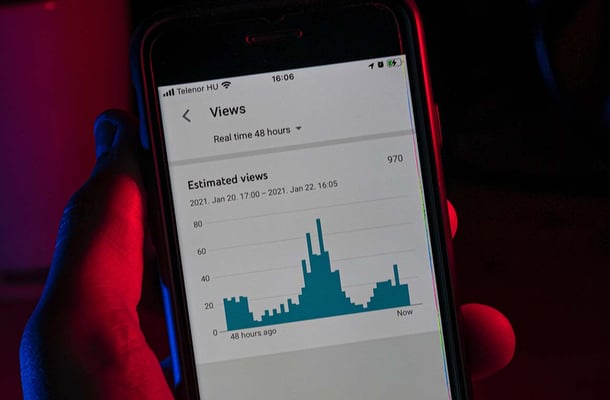
Why Your Website Isn't Converting — And How CRO Fixes It
If your website's getting visitors but they're not turning into customers, you've got a conversion problem. Poor conversions are caused by many things, we'll find the issues with your website and fix them.
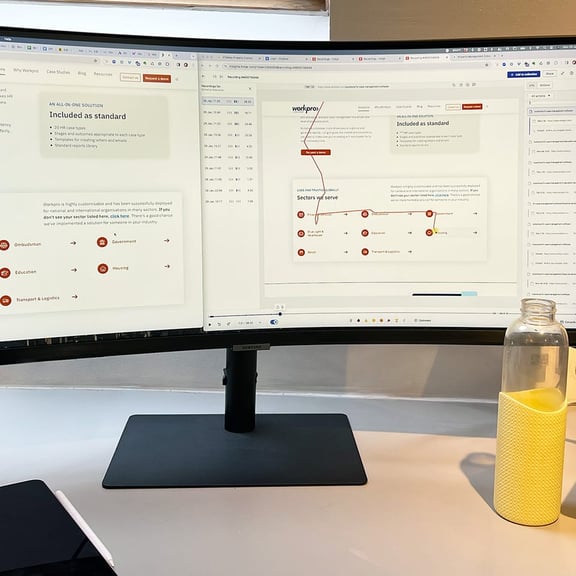
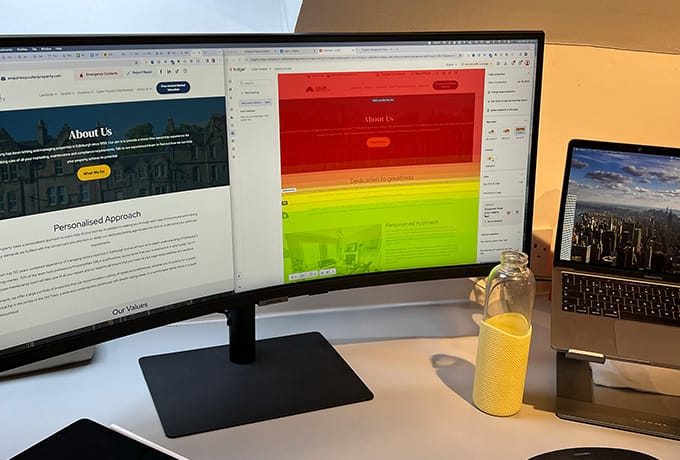
Using tools like HotJar™ to watch people using your website, and Google Optimize™ to test different wording and layouts we'll turn more of your visitors into customers. Conversion optimisation will help your business grow by increasing web-based customer acquisition.

Why Conversion Rate Optimisation Matters For B2B Growth
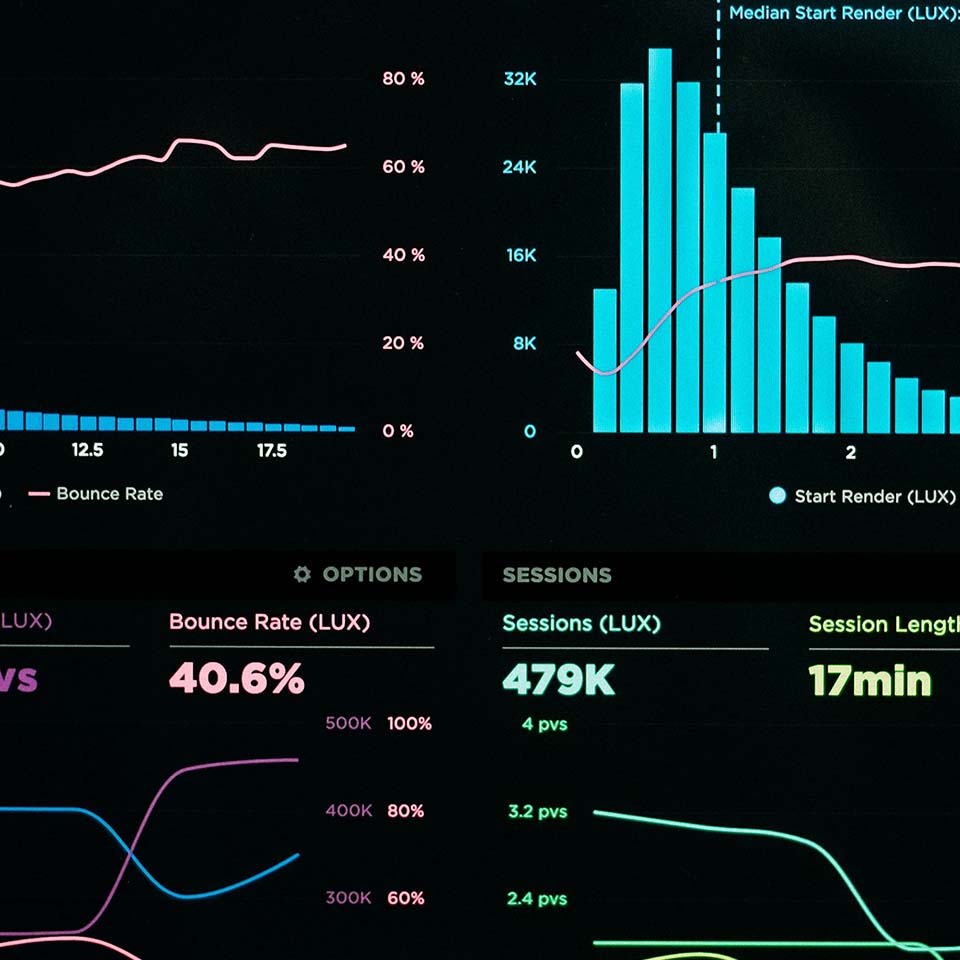
Business websites exist to make money. Conversion optimisation or conversion rate optimisation (CRO) makes that happen. Conversion optimisation will extract more value from the website visitors you're already getting, reduce the cost of customer acquisition and give you a competitive advantage because more of your website visitors become customers.
We're a UK B2B marketing agency offering Conversion Rate Optimisation services. We have offices in Aberdeen, Edinburgh and London, and work with B2B businesses across the UK and a few outside it.
Website CRO (Conversion Rate Optimisation) is about increasing the percentage of website visitors who take a desired action, such as purchasing or filling out a contact form. By optimising a website's conversion rate, businesses can achieve higher revenue, more leads, and overall business growth.
Here are some ways that website CRO helps with business growth:
Increases Conversion Rates: By optimising the website's design, copy, and functionality, website CRO helps to increase the percentage of website visitors who take the desired action. This, in turn, leads to increased sales, revenue, and leads.
Improves User Experience: Website CRO focuses on enhancing the user experience by making the website easier to navigate, providing clear calls-to-action, and reducing friction in the conversion process. A better user experience increases engagement, loyalty, and brand advocacy.
Reduces Costs: Website CRO helps businesses to optimise their marketing spend by increasing the effectiveness of their website. By converting more visitors into customers, companies can reduce the cost of acquiring new customers and increase their return on investment (ROI).
Provides Insights: Website CRO involves testing different variations of website elements to see which ones perform better. Businesses can gain valuable insights into their audience's preferences and behaviours. This information can inform other company areas, such as product development and marketing campaigns.
Overall, website CRO is a powerful tool for businesses looking to grow. By optimising the website's conversion rate, companies can increase revenue, leads, and customer loyalty while reducing costs and gaining valuable insights into their audience.
Why a full-service agency is better at CRO than a specialist
Most CRO specialists are good at spotting problems. They're less good at fixing them. You get a slide deck of recommendations, a heatmap or two, maybe a screenshot of someone rage-clicking your nav. Then it's on your dev team to actually change anything.
We work differently. We built your website, or we can rebuild the bits that need rebuilding. So when the data tells us a form is too long or a CTA is in the wrong place, we just change it and watch what happens. Less waiting around, fewer good ideas dying in someone else's backlog.
How Our CRO Process Works
In some ways, CRO is complex because understanding human behaviour is complex. Yet sometimes the simplest of adjustments to a web page can result in significant improvements. Many businesses just accept that most of the people visiting their website don't become customers, but why, when you've done the hard work of creating a great web design, writing compelling content that's perfectly search optimised so your ideal customers find it, would you not get more of those visitors to contact you?
CRO makes business sense because it fine-tunes the work you've done to put your business in front of your ideal customers. We're Scottish web design specialists, and we help businesses around the world generate more business from their websites.

Conversion Rate Optimisation FAQ
It depends on what we find when we look at your site, but most of our CRO retainers sit in the £1,500 to £4,000 per month range. CRO should pay for itself within a few months. If a small uplift in your conversion rate isn't going to earn the fee back, the work isn't worth doing, and we'll say so before you sign anything.
A bit, yes. We need enough visitors to see patterns and run tests that mean something statistically. For most B2B sites that's a few hundred relevant visitors a month, not thousands. If you're a long way short of that, we'll tell you, and we'll point you at SEO or paid work before CRO.
Would You Like To Discuss Your Requirements?
You'll find our plain English approach refreshing, so please use this form to tell us about your project, and we'll contact you to arrange a convenient time to discuss it.
If you'd prefer to book a meeting right now, at a time that suits you, you can do that here.
We won't share your information or use it for any purpose other than to contact you to discuss your requirements.